Recent OpenAI event work focused on the part that matters in real operations: messy data intake, validation gates, agent/tool controls, human review, and decision-ready handoff.
OpenAI x DataKind AI Skills Jam for Disaster Management
Dashboard Copilot for Disaster Response
A disaster-response workflow for messy files: profile the data, expose evidence gaps, recommend the next dashboard view, and produce a handoff stakeholders can review.
What this proves
Demonstrates the bridge between BI quality, operational data judgment, and AI assistance that stays reviewable instead of pretending to be autonomous.
The underlying data platform itself is being rebuilt. Modernize reporting on stable foundations, not during a platform migration.
Semantic model engineering and validation
Power BI Desktop isn't yet the core authoring tool, or the team has no appetite for source control discipline. Validation workflows assume an authoring baseline to protect.
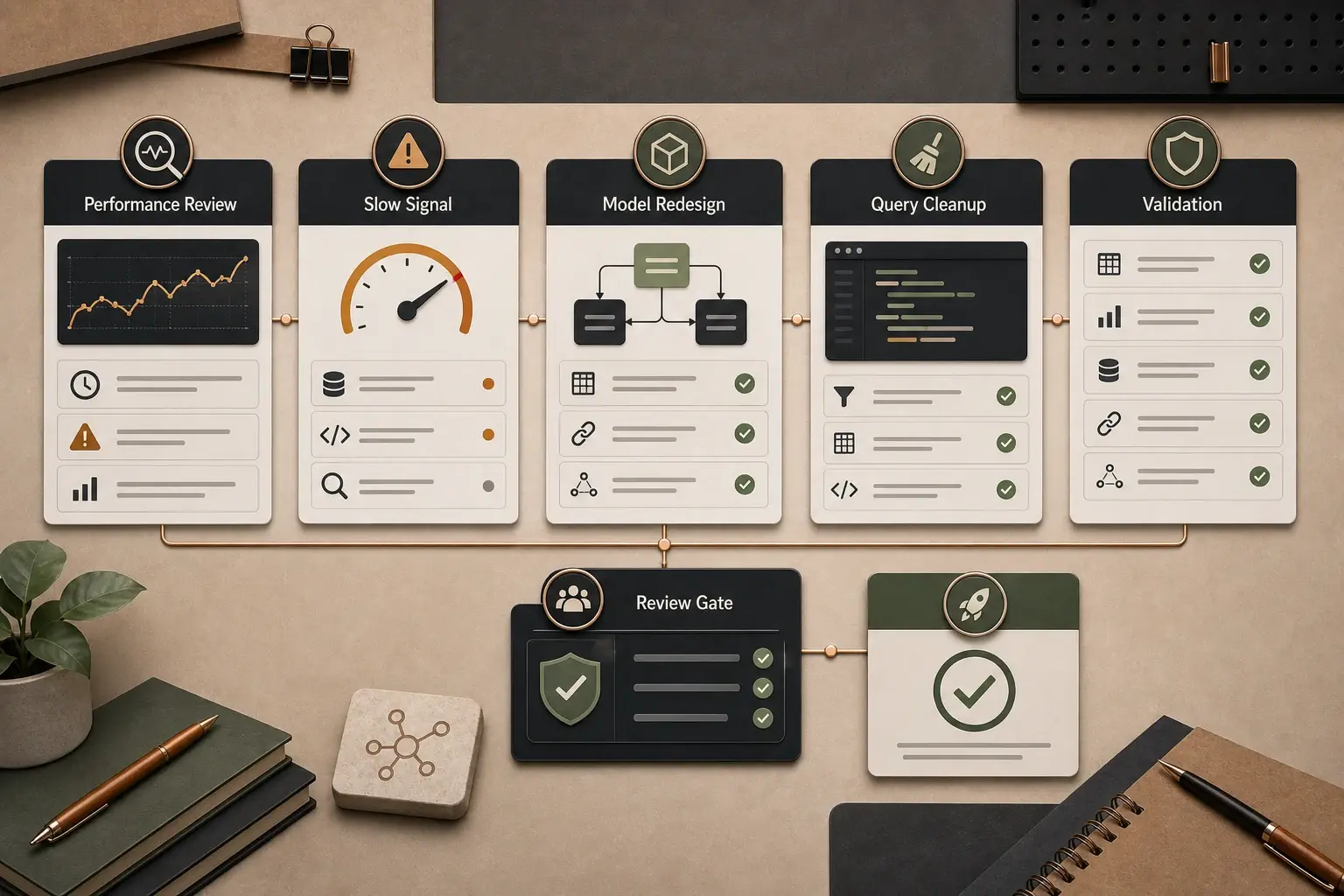
Performance tuning and BI quality hardening
The underlying data model itself needs to be re-architected. Start with Semantic model engineering instead; performance tuning works best on a model that is worth tuning.
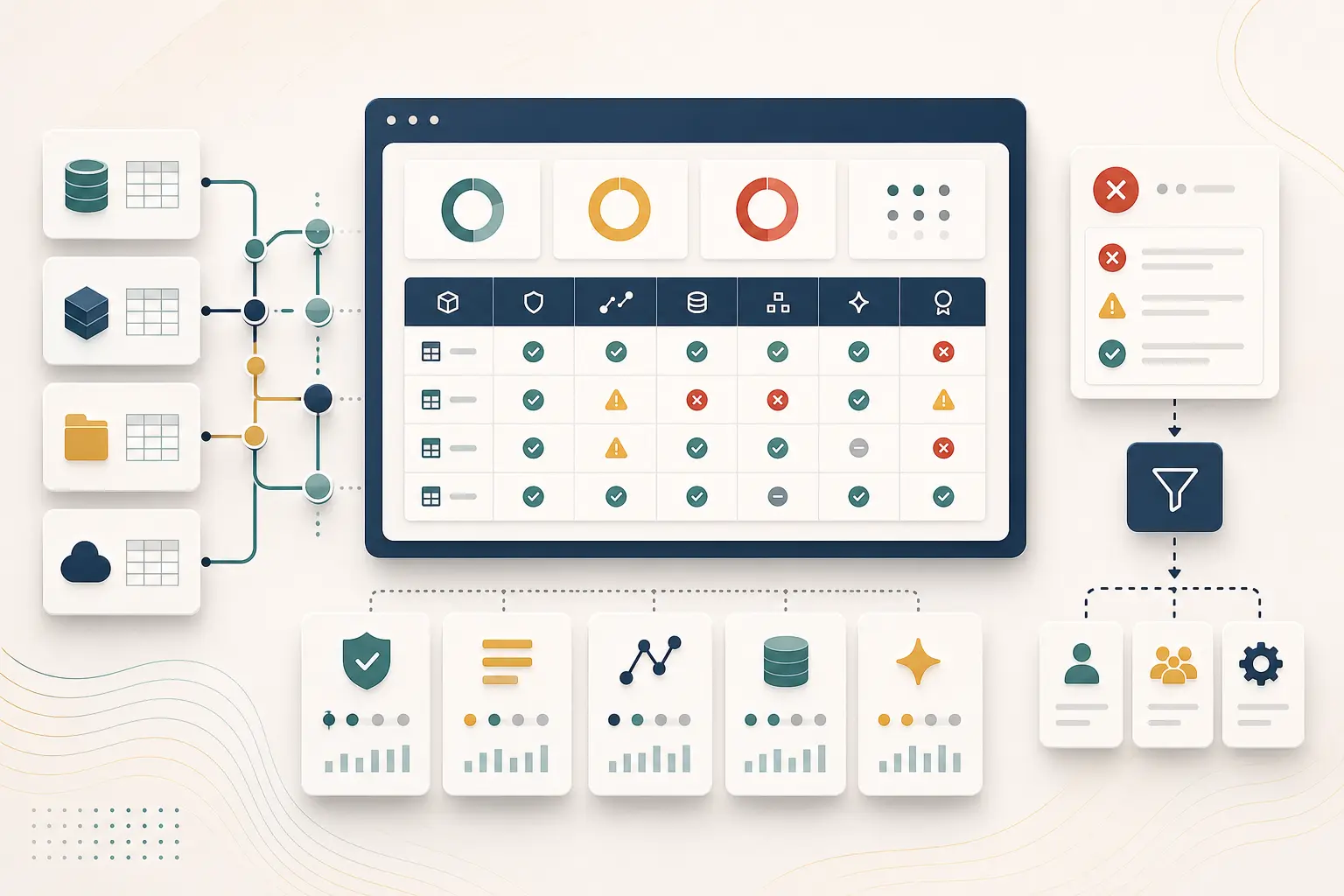
Data quality and governance visibility
A formal data catalog or quality platform is already the chosen investment. This work is interim visibility, not a replacement for Purview, Collibra, or similar platforms.
Practical AI-assisted BI workflows
The goal is a production AI feature with vendor-grade uptime and SLAs. This work is scoping and POC delivery, not production AI engineering.
Senior BI delivery across Power BI, Databricks, SQL, Python, and Azure, with an engineering-led approach to reporting quality.
I've spent 8+ years building BI for banking, retail, HR, and enterprise teams —
long enough to watch “just one more measure” bring down a production report.
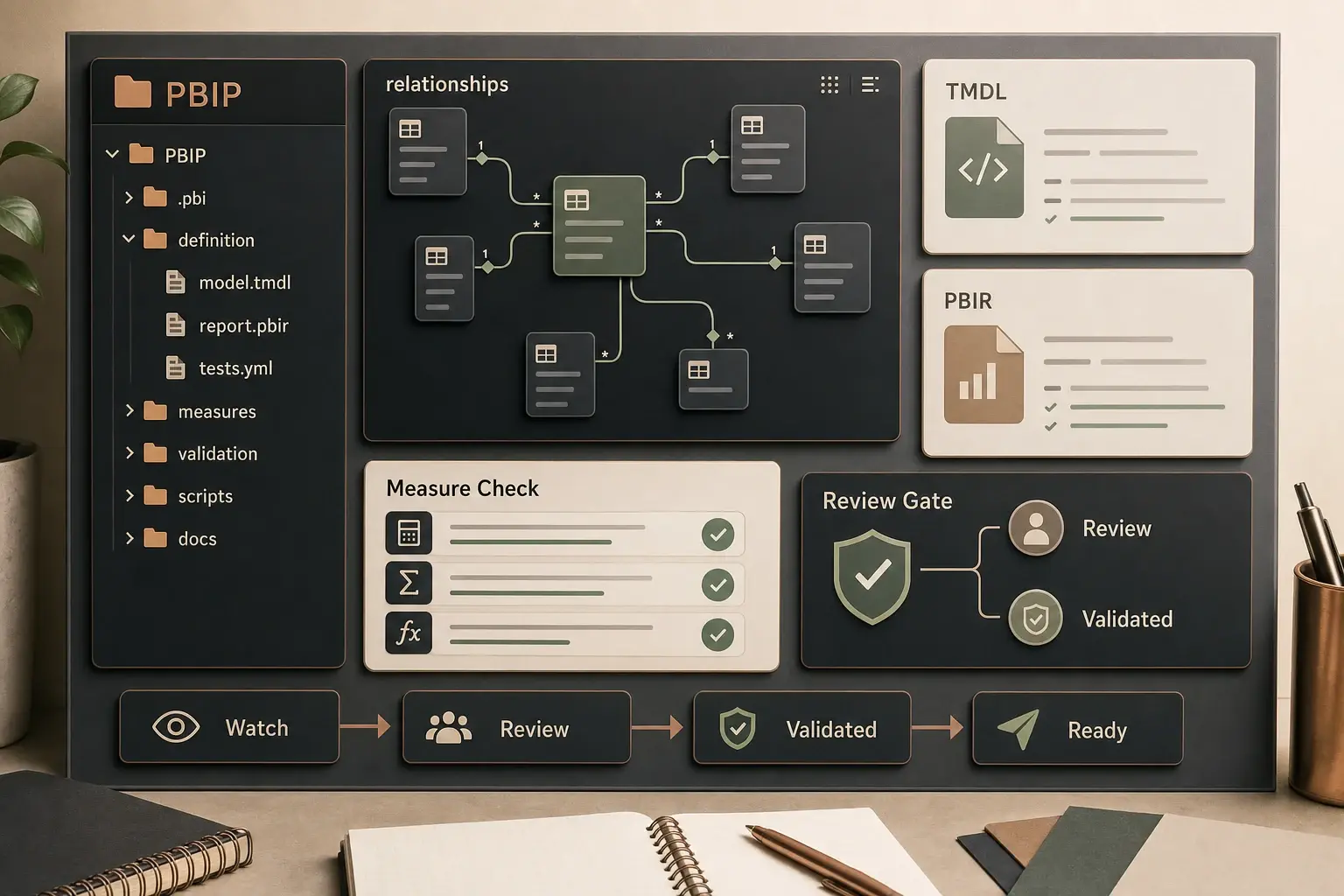
The work I care about now is the opposite: semantic models under source control, DAX
changes with an automated risk check, and deployments that a colleague can review before
they ship. Power BI as engineering, not configuration.
8+ years across banking, retail, HR, and enterprise consulting
Power BI, Databricks, SQL, Python, and Azure in day-to-day delivery
Semantic models, performance tuning, reporting modernization, and governance visibility
Review-gated applied AI workflows for operational data problems
Comfortable with both technical teams and stakeholder-facing delivery
Enterprise BI alignment without the usual reporting fragility
The strongest fit is where reporting delivery needs engineering discipline: semantic models that can be reviewed, performance issues that need measurable improvement, and BI workflows that should hold up after handoff.
The profile is strongest for teams that need Power BI, SQL, Python, Databricks, and Azure work connected to delivery quality rather than treated as separate technical tasks.
Power BI + DAX
semantic model and reporting delivery
SQL + Python
analysis, validation, and automation support
Databricks + Azure
cloud data-platform delivery context
PBIP / TMDL / PBIR
reviewable BI engineering workflow
Above baseline
End-to-end BI engineering
Beyond dashboarding alone: Power BI, SQL, Python, Databricks, semantic modeling, and reporting delivery across enterprise environments.
Above baseline
Performance and reporting trust
Proven work in dashboard tuning, data-quality visibility, and reporting reliability, including a documented improvement from 90 seconds to 7 seconds.
Above baseline
Semantic-model engineering mindset
PBIP, TMDL, PBIR, validation-oriented workflows, and AI-assisted measure-testing practices that go beyond what most postings explicitly ask for.
Growing edge
Architecture and leadership trajectory
Strong end-to-end ownership and solution-shaping evidence today, with broader architecture and mentoring scope still developing.
Contact
Have a BI problem worth discussing?
Whether you need reporting modernization, semantic-model engineering, or performance work, start with a short conversation.